Newborn ICU admissions drop 50% in first full year of RSV maternal vaccine programme
Source: UK Health Security Agency, 13 August 2026
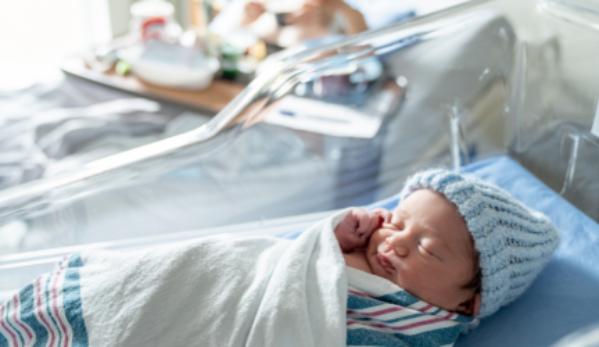
UKHSA today publishes the respiratory syncytial virus (RSV) annual report which shows around 50% fewer infants under 6 months being admitted to intensive care with RSV disease in England. The data demonstrates the annual impact of the NHS RSV maternal vaccination programme for the first time.
Last winter (2025-26), in the 20 NHS trusts taking part in the surveillance there were 63 infants under 6 months age admitted to intensive care units (ICU) or higher dependency units (HDU) with confirmed RSV chest infection.
UKHSA collates data on ICU and HDU RSV admission in England through the SARI Watch sentinel surveillance system with 20 trusts taking part in 2024-25 and 2025-26.
The previous year, 2024-25, the same 20 trusts reported 131 aged under 6 months were admitted to ICU or HDU. This 50% reduction in infants under 6 months during 2025-26, compared with the previous season, demonstrates the strong impact that the first full year of the maternal programme has had in protecting newborns from severe RSV disease.
While the maternal RSV programme started in September 2024, the full impact of the programme on reducing the number of cases and severity of RSV in infants wasn’t expected to be seen until last winter, 2025-26, as more pregnant women became eligible over the course of the past year.
The maternal vaccination programme is offered to women from 28 weeks of pregnancy to protect newborns, who are at higher risk of severe illness from RSV.
The annual report shows that in the 12 months from March 2025 to February 2026, 61.7% of women giving birth had received an RSV vaccine.
While the UK RSV season usually starts in October, last winter cases didn’t start to rise until early November and peaked during weeks 49 to 52 (December) 2025. While there is no risk-free birth month, babies born in late summer or the autumn are most likely to be admitted to hospital from RSV.
In previous seasons, well over 1,000 babies a week were brought to NHS Accident and Emergency (A&E) departments for bronchiolitis through most of November and December. Most bronchiolitis cases seen in hospital are due to RSV.
The report also shows that in 2025-26, peak weekly infant bronchiolitis A&E attendances in England were lower than previous seasons, and the peak season was shorter.
Bronchiolitis is a common viral infection that causes swelling in the small airways of a baby’s lungs. RSV infects around 90% of children in their first 2 years of life. While for many infants it can be managed at home, for some it can be severe requiring hospitalisation including intensive care.
Earlier this year a UKHSA study presented at the ESCMID conference showed a dose of the maternal vaccine provides over 80% protection to the new-born infant against hospital admission. The vaccine is recommended to be given in week 28 or soon afterwards, so it can protect most preterm babies and generate the best protection, but it can be given up until labour begins.