
Behaviour Change
The South West Behavioural Science Hub supports the public health workforce to strengthen skills in prevention and behaviour change, aligned with the NHS Long Term Workforce Plan and ambitions to reduce health inequalities across the region. The Hub brings together NHS England, the South West Association of Directors of Public Health, local authority public health teams and academic partners
Webinars: Developing Foundations and Applied Skills in Behavioural Science
A core offer of recorded webinars is available to colleagues across the South West via the NHS Futures platform. These sessions introduce key behavioural science concepts and demonstrate how theory can be applied in practice, including:
- Introduction to behavioural science
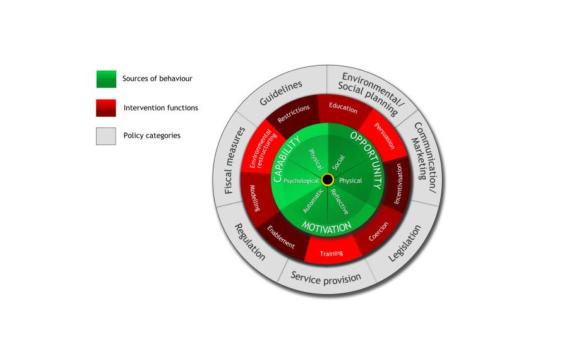
- Using the COM‑B model in practice
- Introduction to Concepts and Models of Behavioural Science in Context
- Intervention testing and evaluation software for behavioural science
- Application of Behavioural Science in Practice Webinar
- COM-B Updates
South West Behavioural Science Conference
The first South West Behavioural Science Conference took place on 3 December 2024 and was attended by over 100 delegates from all South West local authorities and a wide range of public health and system partners.
The conference theme was developing knowledge and skills in behavioural science, with plenary sessions from NHS England, UKHSA, local authority leaders and academic experts. Interactive workshops focused on:
- The Behaviour Change Development Framework
- Applying Behavioural Science to Achieve a Smokefree Generation
- A Practical “Bitesize” Hackathon on Tackling Health Misinformation
- Understanding Trauma, Adversity and Their Influence on Behaviour
Feedback highlighted the value of practical, real‑world learning and networking, helping shape the Hub’s ongoing programme of activity.
Case Studies: Sharing What Works
A key insight from conference feedback was the need for more practical examples of behavioural science in action. In response, the Hub is building a catalogue of South West behavioural science case studies on the NHS Futures platform.
Colleagues are encouraged to submit case studies using a shared template, showcasing how behavioural science and behaviour change techniques are applied in local public health practice. These case studies aim to:
- Share innovation and best practice
- Support learning and replication across the region
- Strengthen the South West behavioural science network
We would like to encourage colleagues to submit case studies highlighting their work in this area. Sharing your experiences can help spread best practices, support innovation, and strengthen the behavioural science network across the South West. To guide your submission, a sample case study template has been provided, illustrating the level of detail required.
South West Behavioural Science Conference 2026
The South West Behavioural Science Conference 2026 took place online on 28 January 2026, bringing together public health practitioners, system partners and academic experts from across the region. The conference theme focused on applying behavioural science to support the shift from sickness to prevention, reflecting national and regional priorities for prevention‑led public health. The programme combined strategic and practical perspectives, with sessions exploring how behavioural science can support population health improvement, including the role of AI in public health, ethical considerations, trust and adaptability, and lessons from regional innovation and online behavioural science hackathons. The conference also showcased local behavioural science case studies, highlighting applied work on weight‑related beliefs, trauma‑informed smokefree support and inclusive approaches to behaviour change.

Online Behavioural Science Hackathon
In response to growing demand for more hands‑on, practical application of behavioural science, the South West Behavioural Science Hub delivered an online hackathon in September–October 2025, hosted over two facilitated sessions on 18 September and 2 October. Delivered via MS Teams, the hackathon brought together colleagues from across the region to work collaboratively in multidisciplinary teams. Participants applied behavioural science theories and frameworks to design evidence‑informed intervention prototypes, focusing on improving patient engagement in primary care. Over the two‑week programme, teams developed creative, transferable ideas that can be used as starting points across a wide range of service and subject areas, regardless of participants’ usual roles. The hackathon also supported workforce development, with CPD certificates issued by NHS England, and reinforced the Hub’s commitment to building regional capability through active learning and collaboration.